
Disclaimer: MRO is committed to providing non-binding guidance to industry stakeholders on important industry topics. Subject matter experts from MRO’s organizational groups have authored some of the articles in this publication, and the opinion and views expressed in these articles are those of the author(s) and do not necessarily represent the opinions and views of MRO. The following article was written by Nazra Gladu, Reliability Compliance Program Engineer at Manitoba Hydro.
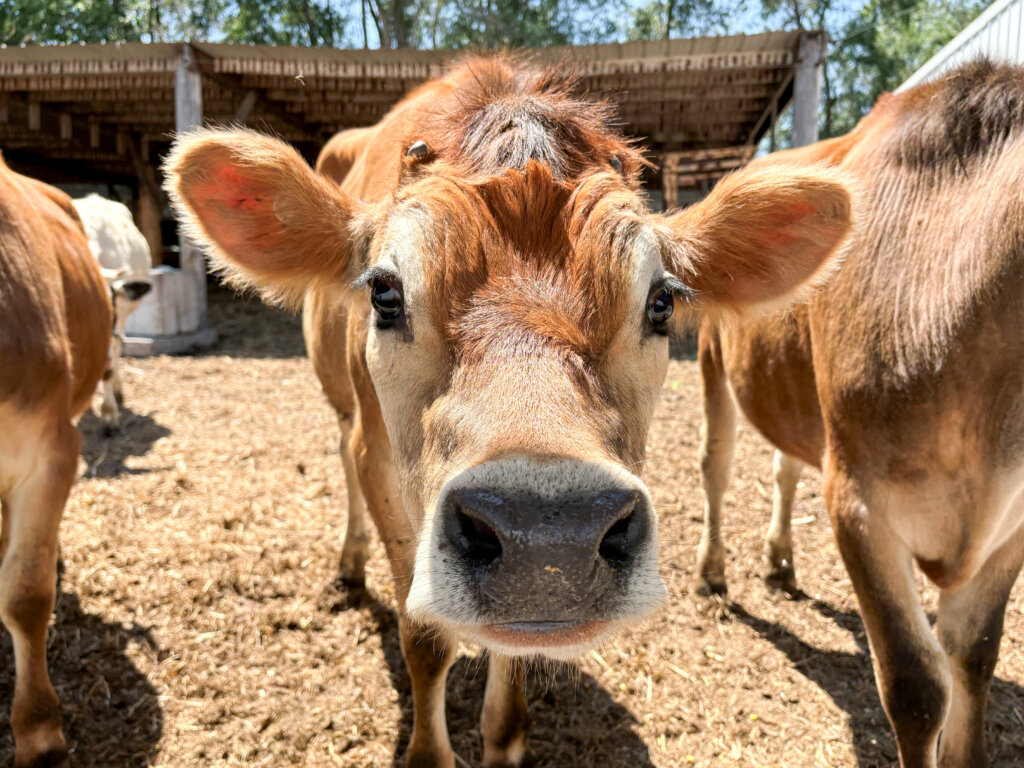
Anyone who has worked with cattle knows that a pasture cannot sustain a herd forever. Leave cattle on the same patch of grass too long and what once seemed abundant becomes depleted. The land suffers. Good farmers understand that thriving requires movement—rotating fields, adapting to conditions, and recognizing when it’s time to move on.
My father-in-law’s dad, Harry, understood this, even if he didn’t always apply the lesson beyond the pasture. Harry was unforgettable. He always laughed so hard that tears streamed down his face, and his joy was contagious. When we first met, I have to admit, we clashed. Two stubborn personalities unwilling to bend. Over time, we learned to appreciate each other’s differences. Eventually, we laughed together, not at each other, and those moments of shared humour became the bridge between us.
As a cattle farmer in rural Manitoba, Harry lived by a simple mantra – nothing, and I mean nothing, should ever be thrown away. To him, every broken tool could be fixed, and every scrap repurposed, with a few dollars saved in the process. Waste was not just impractical, it was a crime against common sense.
I grew up with a similar mindset. That instinct to repair and reuse felt like second nature. In many ways, we recycle not just objects but ideas. We cling to familiar ways of resisting change, of protecting ourselves, of pushing back against people or systems we don’t trust or understand.
But here’s the challenge: sometimes those old ideas themselves need to be dismantled. The world Harry lived in was defined by tangible risks—broken machinery, harsh winters, and tight margins. Today, our vulnerabilities are different and oftentimes invisible. Emerging technologies like artificial intelligence, the growing threat of cyberattacks, and the increased complexity of power systems demand new ways of thinking.
If we hold too tightly to yesterday’s solutions, we risk being caught off guard by tomorrow’s problems. Just as Harry could fix a broken tool with wire and ingenuity, we must learn to renew our thinking. We must adapt, learn to let go of rigidity, and to embrace innovation when it serves us.
Let’s be honest, we all have a little Harry in us. We instinctively hold on to what feels familiar and safe. But clinging to old habits is like keeping cattle on the same patch of grass forever. At first, it feels secure, but eventually the pasture is depleted and the herd suffers. Sometimes, moving forward is the only way to thrive.
I remember when our team first implemented Power BI to analyze reliability compliance data. My initial reaction was resistance. I trusted my spreadsheets and manual checks, which had never failed me. The new system felt unnecessary, even risky. But as the complexity of our grid increased, it became clear that my old methods could no longer keep pace. Embracing that technology didn’t just make my work more efficient—it made it safer, more accurate, and more insightful. Harry’s lesson came rushing back: holding on too tightly to what worked yesterday may not be enough for what we need today.
The lesson Harry offers is not about clinging to the past but about building resilience for the future. His laughter shows that even in hard times, joy is possible. His resourcefulness proves that creativity often springs from scarcity. And his stubbornness reminds us that the hardest thing to repair is often our own resistance to change.
The world continues to evolve, whether we are ready for it or not. New challenges will emerge, technologies will advance, and the systems we depend on will become increasingly complex. Like Harry, we can honor the values that served us well—hard work, ingenuity, and perseverance—while remaining willing to adapt. The goal is not to abandon the past, but to carry forward its best lessons as we build something better for the future.
So, here’s to you Harry, for teaching me that fortitude isn’t about retaining indefinitely, but about moo‑ving on. I’ll miss you, and I hope your next chapter is legen-dairy.
About the Author

Nazra Gladu, P.Eng., is a Reliability Compliance Program Engineer at Manitoba Hydro, the province’s largest and only integrated electricity and natural gas utility. With over 17 years of experience, she leads the development and oversight of corporate compliance programs, regulatory engagement, internal audit strategies, and regulatory audits to ensure alignment with evolving reliability standards.
Nazra holds a B.Sc. in Electrical Engineering from the University of Manitoba and has held diverse roles in system operations, project management, and engineering. She actively contributes to several industry and professional committees, including Electricity Canada’s Electric Regulatory Advisory Committee, Engineers Geoscientists Manitoba’s Equity, Diversity, and Inclusion Committee, Manitoba Hydro’s Engineer-in-Training Recruitment Panel, and Manitoba Hydro Professional Engineers Association Volunteer Services Committee. She is also a past member of the Midwest Reliability Organization’s Compliance Monitoring and Enforcement Program Advisory Council.
Nazra is a published author and active contributor to the compliance community, with a strong passion for mentorship, equity in engineering, and community engagement. Outside of work, she enjoys creating stained glass art, cheering at her son’s soccer games, and supporting Winnipeg’s vibrant local pro wrestling scene.