
A Recap of the Reliability Track at MRO’s May Summit
Disclaimer: MRO is committed to providing non-binding guidance to industry stakeholders on important industry topics. Subject matter experts from MRO’s organizational groups have authored some of the articles in this publication, and the opinion and views expressed in these articles are those of the author(s) and do not necessarily represent the opinions and views of MRO. The following article was written by Mark Peterson, P.E., Director of System Operations at Great River Energy.
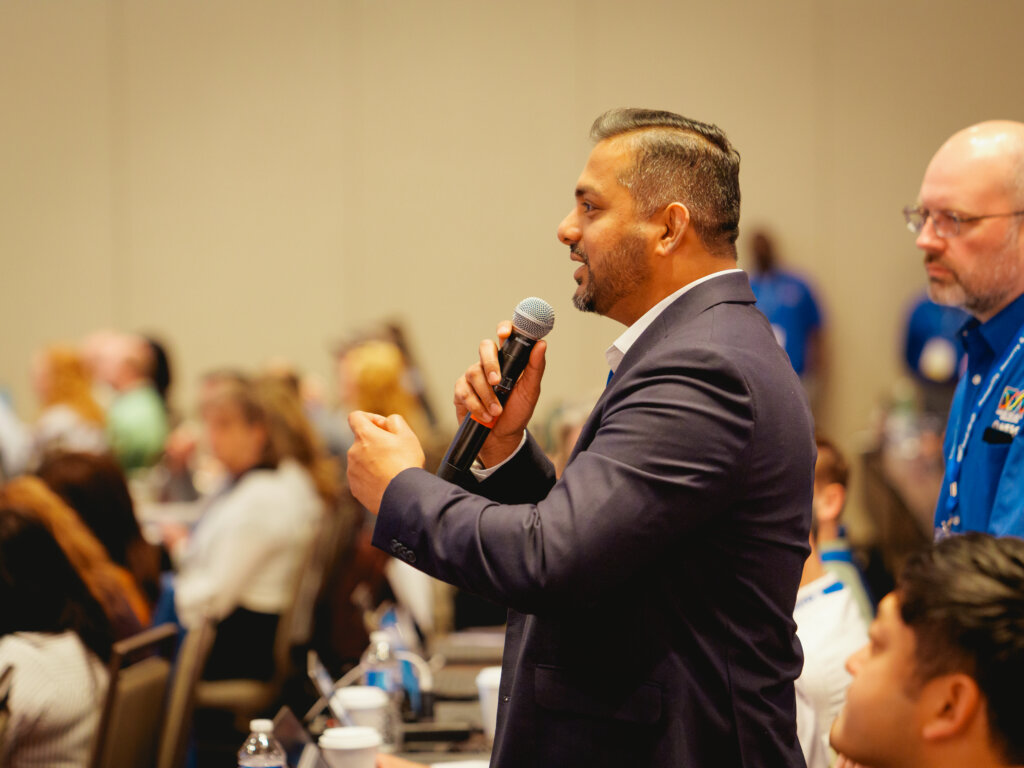
MRO hosted its first ever offsite Reliability, Security, and CMEP Summit in Oklahoma City, Oklahoma on May 20-21. This was a collaborative effort between the three MRO Advisory Councils: Reliability Advisory Council (RAC), Security Advisory Council (SAC), and the Compliance Monitoring Enforcement Program Advisory Council (CMEPAC). Attendees gained valuable insights into emerging threats, regulatory updates, and lessons learned from recent reliability events. Nearly five hundred individuals attended the hybrid event.
The RAC was responsible for the Reliability Track portion of the conference, which was an afternoon breakout session during both days. There was a total of 7 Reliability topics that focused on risks identified in the 2025 MRO Regional Risk Assessment (RRA), such as Uncertain Energy Availability and IBR/DER Performance Modeling. Each year, the RAC is tasked with supporting outreach and awareness of reliability risks across the region as highlighted in the 2025 Work Plan and the RAC Charter. One of the ways we achieve this is through the annual conference and periodic webinars. Below are highlights from the Reliability Tracks during the May summit.
Day 1
2024 Solar Storm, Mark Olson (NERC), Manager, Reliability Assessment provided insights and lessons learned from the May 2024 solar storm (Gannon) event. Mark discussed the risks that Geomagnetic Disturbances (GMD) pose to the electric grid. NERC Standards TPL-007 and EOP-010-1 are in place to prepare for and respond to GMD events. Observations and data from the Gannon event were presented with plans to publish a final report available to the public.
IBR Overview by Eric Graftaas, Principal Power Systems Engineer, and Registration Initiative Summer Stephens, Senior Reliability Specialist (MRO), gave an overview of Inverter-Based Resource (IBR) performance and the ERO Enterprise IBR registration initiative. This included a description of the identified IBR Risk in the 2025 MRO RRA and the ERO Enterprise IBR Registration Initiative. The presentation also connected the reason for the registration initiative to the reliability risk.
Dynamic Line Ratings and Grid Awareness Tom Cleaver, VP, North American Markets (Heimdall Power), discussed the Heimdall product the Neuron, which is a state-of-the-art sensor the company uses for calculating dynamic ratings for transmission lines. Technical details, application examples, and results from an installed DLR project were presented.
Powering Cities Empowering People Jennifer Smith, Assistant General Manager and Natasha Brown, Director of Operations (OMPA), gave an overview of Oklahoma Municipal Power Authority, including programs, services, and resources. OMPA discussed their North Fork solar project, a 120MW facility and is currently the largest solar project in the SPP RTO footprint.
Day 2
FERC Order 881, Amir T. Najafzadeh (FERC), Electrical Engineer discussed the reason for the 881 Order and how transmission line ratings affect the rates for the transmission of electric energy. The Ambient Adjusted Ratings (AARs) definition, obligations, and scope were provided. Dynamic Line Ratings (DLRs) were also discussed as an option for meeting FERC Order 881. Both SPP and MISO have received extensions on implementing this order, these two RTOs cover most of the MRO region.
Utility Resource Planning, Kelly Riley (OGE), Director of Resource Planning gave an overview of Resource Planning at the Investor-Owned Utility level and how this helps to mitigate the Extreme risk of Uncertain Energy Availability. Kelly discussed OGE’s strategy to meet increasing demand for electricity, while managing variability and uncertainty in the market.
Large Loads Task Force (LLTF) Overview, Jack Gibfried (NERC), Engineer, Power Systems Modeling and Analysis. This was the final presentation on day two of the Reliability Track. Jack covered recent events across the country related to large loads and explained the need for this task force. He also described focus areas for the LLTF, specifically two recent white papers, one of which was published in July, Characteristics and Risks of Emerging Large Loads.
The summit was seen as highly successful based on outreach survey feedback and council debrief sessions. All sessions were recorded and organized into chapters for easy access and are located on the MRO website. Next year’s conference date and location have already been set. It will take place in Omaha, Nebraska on May 12 and 13 at the Hilton Omaha.
About the Author
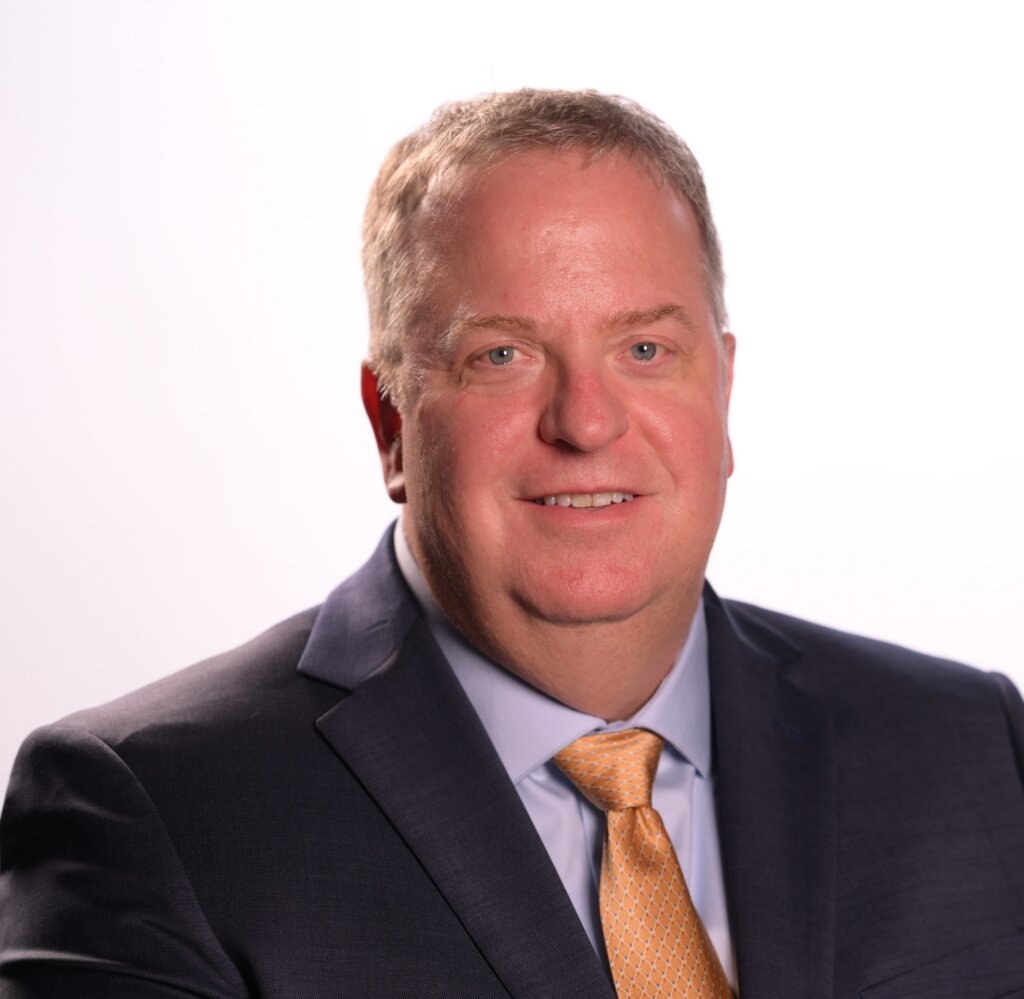
Mark Peterson is the Director of System Operations at Great River Energy, where he has been employed since 1999. Mark has over 30 years of experience in the electric utility industry in various engineering and leadership roles. As the Director of System Operations, his department is responsible for control center operations, operational engineering functions, reliability reporting, and energy data management. Mark received his BSEE degree from North Dakota State University in 1993 and is a registered professional engineer in the State of Minnesota. MRO and NERC experience include: Reliability Advisory Council member, Protective Relay Subcommittee – former member, vice-chair, and chair, NERC Standard drafting team chair for Project 2007-06.2 PER-006-1 Specific Training for Personnel, NERC Standard drafting team participant for Project 2007-17 Protection System Maintenance and Testing.